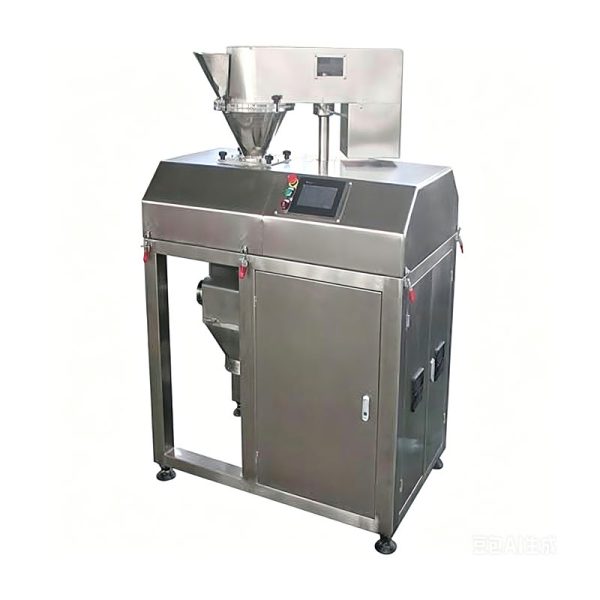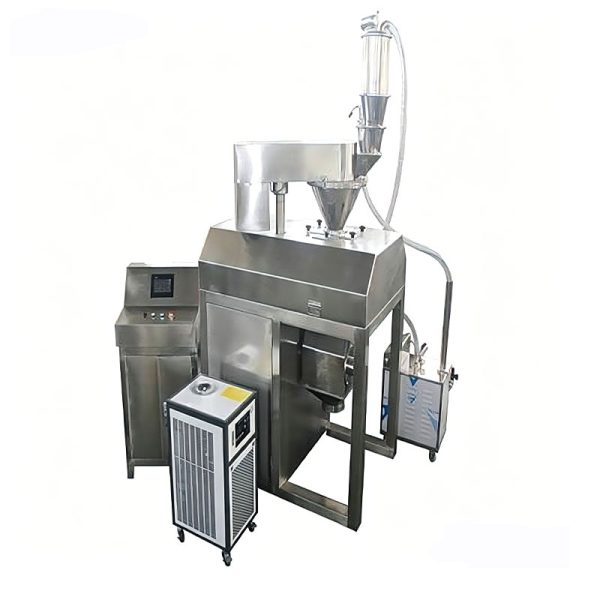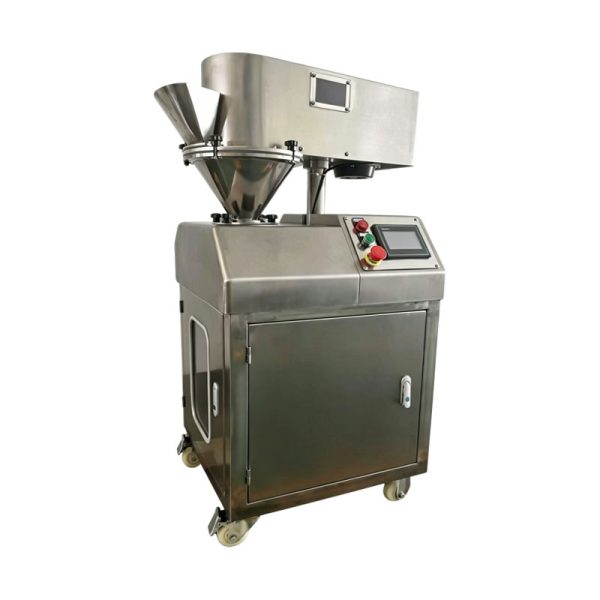


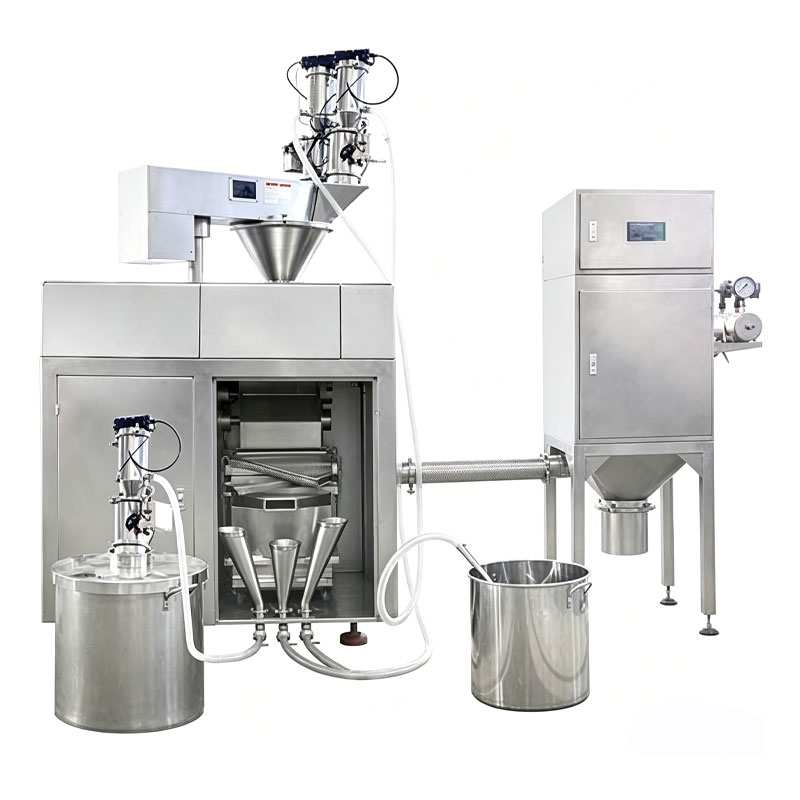
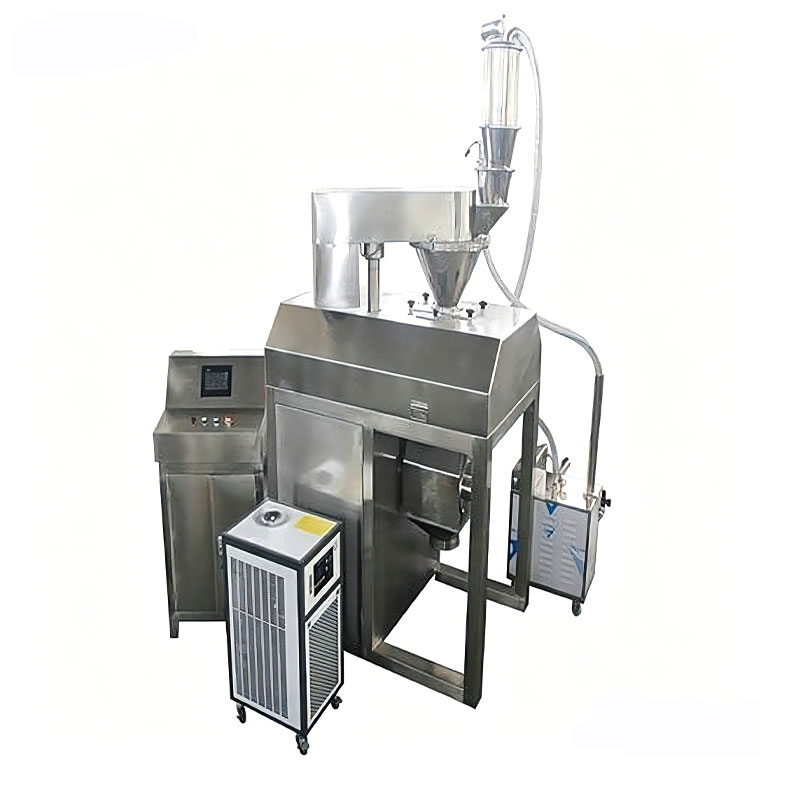
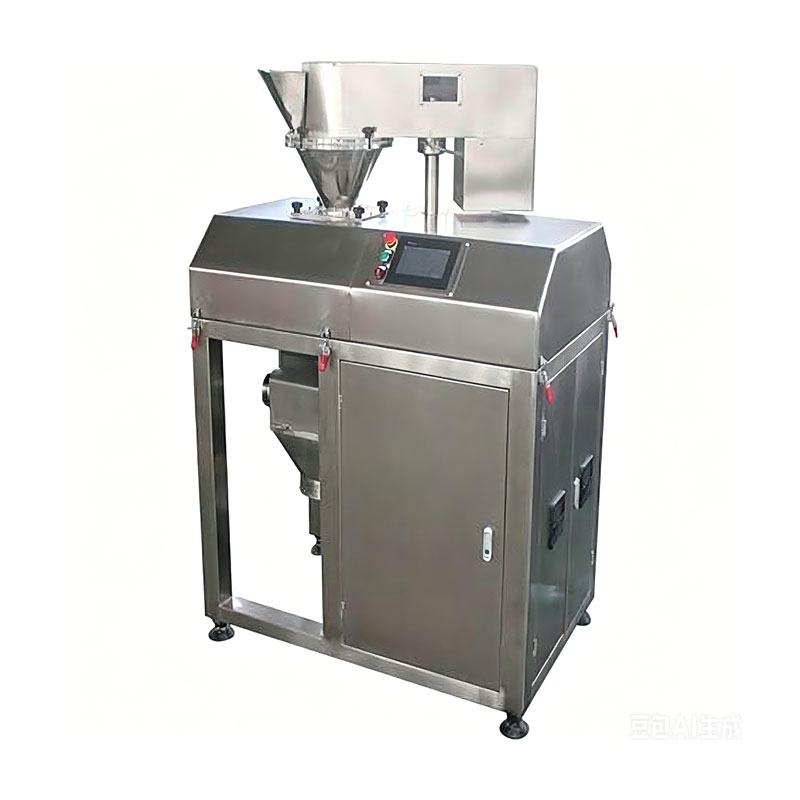
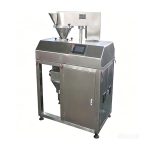
Fully Automatic Production Dry Granulator Product Description:
The dry granulator is a new granulation method developed after the second-generation granulation method, “one-step granulation.” It is an environmentally friendly granulation process that is energy-saving and pollution-free. It does not require wetting agents (solvents such as alcohol, water, and starch paste), thus avoiding the explosion hazards associated with solvent granulation and the environmental pollution from exhaust gas emissions. It eliminates the drying process, saving a significant amount of energy. With the continuous development of **binders required for dry granulation, the cost of dry granulation has decreased significantly.
Automation technology has driven the development of dry granulation technology, leading to the emergence of fully automatic dry granulators. Currently, these machines are used in China's pharmaceutical, food, and chemical industries. They are suitable for granulating drugs that decompose easily when exposed to moisture, are hygroscopic, or are sensitive to heat. The resulting granules can be used for densification to improve flowability, tablet compression, capsule filling, and sachet filling for granular dosage forms. Due to their numerous advantages, they are applied across various industries.
Main features of the full-automatic production dry granulator:
Intelligent fully automatic dry granulator, with adjustable particle size to meet different requirements, featuring high yield, high degree of automation, easy operation, and good versatility. A water cooling device can be added to the press roller as per customer needs.
Fully automatic production dry granulator main uses:
Granulation requirements for dry powders in industries such as food, pharmaceuticals, pesticides, food, and chemicals.
2. Pharmaceutical Industry: Granules for pharmaceutical preparations, granules for traditional Chinese medicine prescriptions, granules for filling antibiotic capsules, granules for direct antibiotic injection, granules for veterinary medicine, and preparations for powder dialysis.
3. Food Industry - Granules for seasonings and spicy seasonings, granules for telecommunications, granules for health foods, convenience foods, seasonings, dairy products, and **products.
4. Chemical Industry and Others - Cosmetics, pesticides, pharmaceutical chemicals, animal feed, detergents.
5. Ferrite blocks for the electrical and machinery industries, porcelain materials, oil-impregnated bearings, electromagnetic materials, and other metallurgical granular materials.
6. Granules for molding various plastics in the plastics industry, such as phenol, urea, melamine, and epoxy resins.
Granules for catalysts in the chemical and other industries, fertilizers, feed, pigments, cosmetics, flour milling, and various detergent chemicals.